
The following services are offered to Bay Area families:
- Home Visits for Infant-Parent Support
- The NICU Parent Program
- Perinatal/Postpartum Assessment and Psychotherapy
- Child-Centered Play Therapy
- ‘Tween and Teen Individual Counseling
- Child-Parent Psychotherapy
- Parent Individual Psychotherapy
- Couples Counseling
Home Visits for Infant-Parent Support
Based on the model of the home-visiting doula, infant-parent support home visits provide fast response to parental worries about infant fussiness or sleep problems, questions about parent-infant attachment and bonding, or parental postpartum mood or anxiety issues. This service is offered throughout San Francisco, Marin, Contra Costa, and Alameda counties. Note that hourly charges for these services include travel time to and from your home, and the total time spent at your home.
The NICU Parent Program
A unique specialized program of perinatal support is available to parents of newborns hospitalized in the Neonatal Intensive Care Unit or who started out in life as a preemie or medically fragile infant.
Perinatal/Postpartum Assessment and Psychotherapy
Worried about your experience of the baby blues, and whether your postpartum feelings are “normal” or not? You can be seen by a private practice therapist in your home or in the office to screen for postpartum mood and anxiety disorders, and make sure you receive the treatment and/or referrals you need to start feeling better. Both mothers and fathers/partners can experience symptoms of posttraumatic stress and depression following a difficult birth experience. Rapid assessment and intervention are needed to set you on the path to recovery so that you can fully enjoy being with your new baby.

Child-Centered Play Therapy
For children who are 4 – 12 years of age, child-centered play therapy is provided to facilitate social-emotional development, address behavioral health concerns, or support the child’s adjustment to change or transitions in the family. Child-centered play therapy creates a non-directive therapeutic environment that nonetheless has clear boundaries. The child is provided with both emotional support and psychological safety, which encourages the development of emotional and behavioral self-regulation. Research has validated that this is a powerful method for addressing a wide range of child problems, such as overcoming traumatic experiences or symptoms of depression or anxiety, building self-esteem, and adjusting to times of family upheaval or stress. Home–based play therapy for younger children is offered when this is preferred or indicated, as well as parent-child sessions to support parents in learning how to play in developmentally-supportive ways.
Child-Parent Psychotherapy
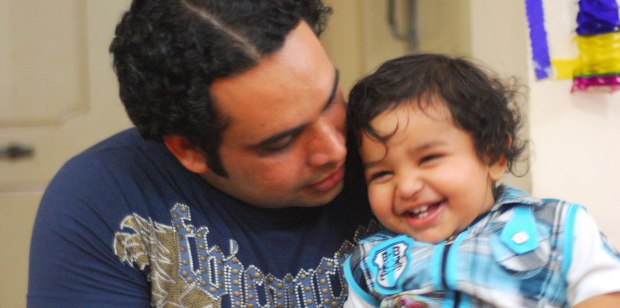
This form of therapy involves the parent and child together and focuses on the parent-child relationship. Child-Parent Psychotherapy (CPP) was initially developed at the UCSF Child Trauma Research Project to address the needs of families who have experienced at least one form of trauma (e.g., the sudden death of someone close, a serious accident, abuse, exposure to domestic violence, etc.). CPP is also appropriate and very helpful whenever the primary goal of therapy is to support and strengthen the parent-child relationship in order to repair or enhance the child’s sense of safety, attachment, and appropriate emotional expression. Whenever the parent-child relationship is assessed to be potentially the most useful foundation and tool for healing, CPP is recommended. Both clinic-based and home-based CPP is available, as well as infant-parent psychotherapy for babies and their caregivers.
‘Tween and Teen Individual Counseling
Strengths-based counseling for children and teens ages 11-18 is offered to support adjustment to family and school stress, development of social skills and emotional awareness, and to address symptoms of depression or anxiety. Counseling sessions may include mindfulness, use of expressive arts, trauma-focused work, or other interventions as appropriate. For individual counseling as well as for play therapy, sessions are available in Spanish or English. Counseling can also be integrated with Educational Therapy if desired to address learning issues, develop study skills, and support academic progress.

Parent Individual Psychotherapy
Two programs of individual psychotherapy for parents are available:
- Brief (8-10 sessions) support for adjustment issues. This program is designed for parents who need short-term support for parenting stress, or to help with the transition to parenthood, return to work, or adjustment to a child diagnosis, behavioral issue, or chronic condition. The time can be extended as needed to support parents in integrating their own past experiences of being parented into how they are choosing to parent their little ones.
- Assessment and longer-term treatment for parents who are struggling with symptoms of depression, anxiety, or posttraumatic stress. Sometimes an experience with clinical depression earlier in life can be re-triggered with the transition to parenthood, requiring intensive intervention, or a potentially traumatic experience during or after birth can lead to symptoms of posttraumatic stress.

Couples Counseling
Non-judgmental, attachment-based couples counseling services are offered to help parents work through difficulties that may arise due to the stress of parenting, sharing of caregiver responsibilities, or problems in the couple relationship. The main approach to couples therapy offered is based on Emotionally-Focused Therapy, an evidence-based therapy that is designed to help people accept, express, regulate, make sense of and transform emotions such as fear, sadness of abandonment and shame of inadequacy that have developed from past negative learning experiences. The goal of therapy is to help both partners increase their sense of security, closeness, and connection in their relationship with each other.
 Bay Area Parent & Child Psychology Associates